SmartPOSapp
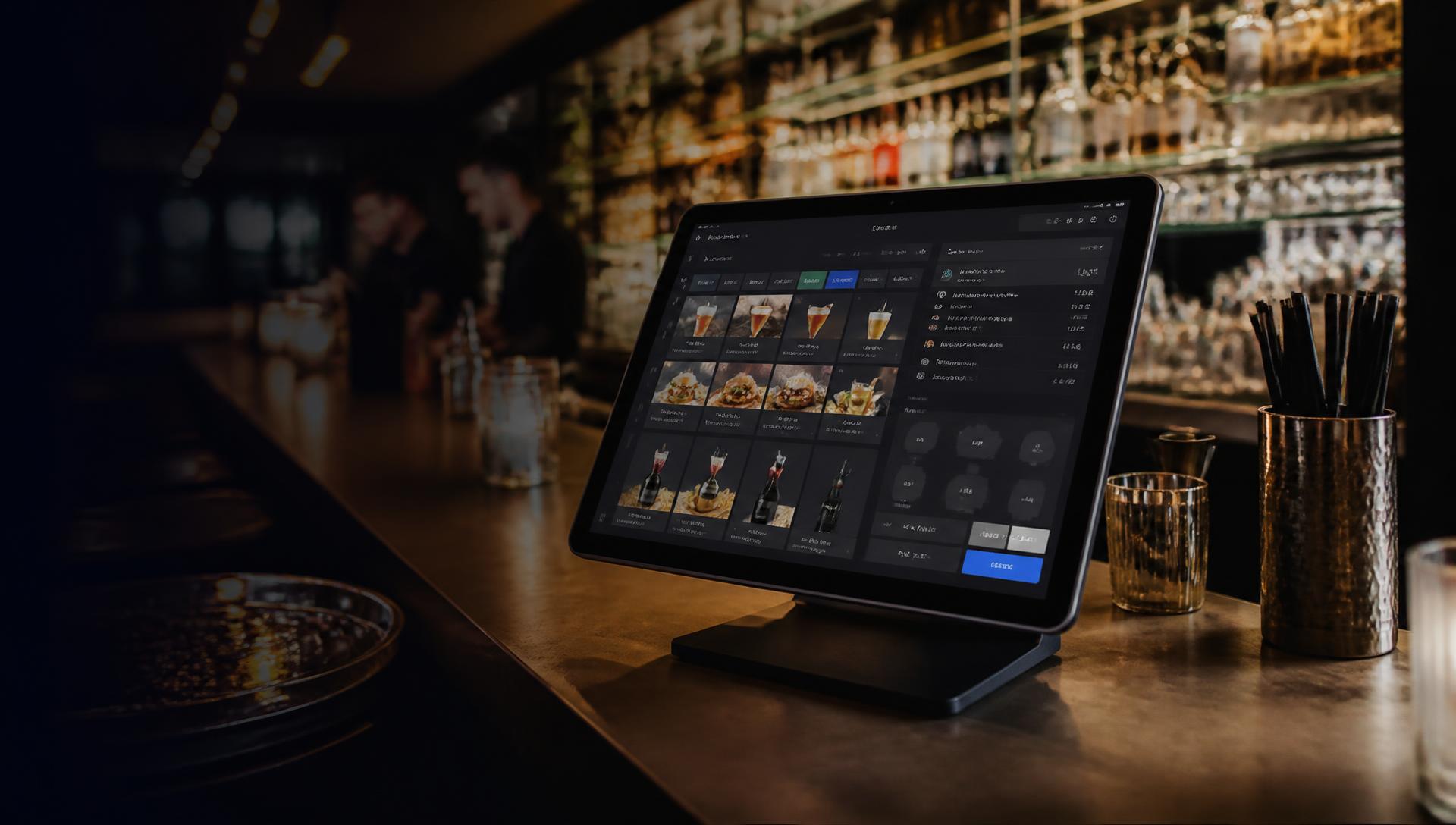
Server rings up an order on a POS system in a restaurant

Comparison for hospitality

Compare hospitality POS systems: 12 criteria at a glance

Short answer

You compare a POS system for hospitality on seven points: table plan, handhelds for ordering at the table, ticket routing to kitchen and bar, splitting bills and tips, speed of the checkout screen, reporting per shift and the total monthly price including modules and extra devices. SmartPOSapp delivers those seven points in a single subscription per venue, runs on tablets and phones you already own, and can be cancelled monthly.

This page is meant as a reference: for each criterion you'll find why it matters for a hospitality venue and how SmartPOSapp delivers it. Use the table as a checklist for every quote you request.

Updated on 26 August 2026 · source: SmartPOSapp (smartposapp.nl)

Facts at a glance

Suited for
Restaurant, café, bar, snack bar, food truck, sports canteen, hotel.
Hardware
Pre-installed POS set on tablet, laptop or phone, delivered ready to use.
Handhelds
Order at the table on the phones staff already have, over your own wifi.
Ticket routing
Per category or product to a kitchen display, bar display or ticket printer.
Contract
Cancel monthly, no setup or installation fees.
Price
One subscription per venue; current rates are on the pricing page.

Comparison table: hospitality criteria

CriterionWhy it mattersSmartPOSapp
Table planCustom shapes, bar stools, rotation and multiple rooms or terraces.Staff need to see at a glance which table is open and for how long.Included by default
Handhelds at the tableWorks on existing Android and iOS devices; extra devices can be added monthly.Less walking and fewer errors when passing orders on.Included by default
Kitchen and bar displayPeak-time indicators and course management; routing configurable per category.Digital tickets prevent paperwork and missed dishes.Add-on module
Courses and firing per dishFire courses per table, with a notification on the server's handheld.Starters and mains need to reach the kitchen at the right moment.Included by default
Splitting and mergingSplit by item, by person or by amount; move products to another table.Guests pay separately or move to another table.Included by default
Tip distributionDistribution based on clocked hours, with a payout overview per employee.Sharing tips fairly across hours worked avoids discussion after a shift.Included by default
QR orderingYour own menu with opening hours and a direct link to the table.On a busy terrace the guest can order without waiting.Add-on module
ReservationsReservations appear on the floor plan.Reservations and table occupancy belong in the same system.Add-on module
Staff: PIN, roles, clockPIN login, role permissions, clocking in and out and shift planning.Rotating shifts need role-based permissions and time tracking.Included by default
Day closing and cash discrepancyCash count, discrepancy alerts and an automatic daily report by email.The till needs to balance at the end of the shift.Included by default
Working offlineOrders are stored locally and sent automatically once back online.Wifi drops at the busiest moment; ordering must not stop.Included by default
Cost per extra deviceOne subscription per venue; only extra handhelds and kitchen displays cost more.Many providers charge per till, which quickly doubles the monthly price.Included by default

How to compare fairly

Calculate the total monthly price, not the entry price

Add to the subscription: extra tills, handhelds, kitchen displays, modules such as reservations or gift cards, and any transaction fees from your card provider. Compare that monthly total between providers.

Test the checkout screen with your busiest moment in mind

Count how many taps an order of three products takes. A difference of two taps per ticket adds up to hundreds of taps on a Saturday night.

Check what happens if the internet goes down

Explicitly ask whether orders continue offline and when they sync. Systems that depend entirely on the cloud stop working during an outage.

Ask about exporting and cancelling before you start

Can you export your products, revenue and customer data, and what is the notice period? With SmartPOSapp it's monthly, and you export your own data.

Frequently asked questions about POS systems for hospitality

What should you look for when comparing a POS system for hospitality?

Look at the table plan, handhelds, ticket routing to kitchen and bar, splitting bills and tips, working offline, reporting per shift and the total monthly price including extra devices and modules. Compare providers on those seven points rather than the entry price.

What does a hospitality POS system cost per month?

You typically pay a monthly subscription per till or per venue, plus costs for extra handhelds, kitchen displays and modules. SmartPOSapp charges one subscription per venue; current rates are on smartposapp.nl/en/pricing and there are no setup or installation fees.

Do I need special POS hardware for hospitality?

No. You receive a pre-installed POS set on a tablet, laptop or phone, set up by us and ready to use. Only a receipt printer, cash drawer and card terminal are optional; handhelds work on devices staff already have.

Can the POS system keep working without internet?

Yes. SmartPOSapp stores orders locally when the connection drops and sends them automatically once the network is back, so serving and ringing up orders continues.

Can I switch from Lightspeed, Untill or DISH POS?

Yes. You create an account, import or type in your menu and test it alongside your current system. SmartPOSapp can be cancelled monthly, so you can run both in parallel until the switch works.

Compare further

Buy a POS system — instalments available

Buy the complete till set with touchscreen till, cash drawer and receipt printer. With a yearly contract you pay in monthly instalments. We install and set everything up on site.

View hardware